

K‑tip extensions, also known as keratin‑tip or fusion hair extensions, are one of the most popular semi‑permanent hair enhancement solutions used in professional salons worldwide. This guide breaks down exactly how K‑tips work, their main advantages and drawbacks, real‑world care advice for new wearers, and actionable professional tips for salon stylists. Whether you are preparing for your first hair extension appointment or running a hair salon offering keratin bond services, you will get clear, usable information here.
What Exactly Are K‑Tip Extensions?
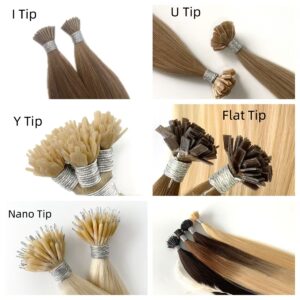
K‑tip extensions are individual hair strands pre‑bonded with solid keratin glue at one end. The “K” stands for keratin, a protein naturally found in human hair. Stylists use a heat fusion tool to melt the keratin bond and attach each strand to small sections of the client’s natural hair. Once cooled, the bond hardens and holds the extension securely in place.
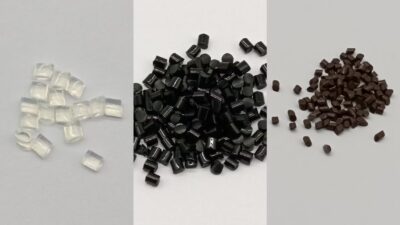
A keratin bond is a small, solid pellet made from keratin‑based adhesive. Unlike cheap glue‑based alternatives, high‑grade keratin bonds melt under controlled heat and harden back into a flexible solid. Good‑quality bonds will not turn brittle or stick together easily during daily wear. Bonds come in three common sizes: mini, standard and large. Mini bonds suit fine, thin natural hair; standard bonds work for most medium‑density hair; large bonds are designed for thick, coarse hair.
How do K‑tip extensions work?
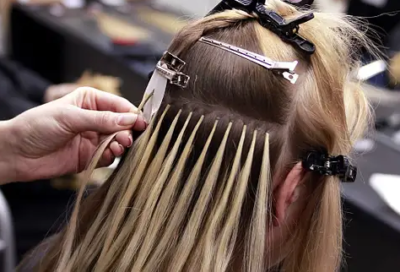
During installation, the stylist divides the client’s hair into tiny clean sub‑sections. One K‑tip strand is placed against the natural hair close to the scalp (not touching the scalp skin). A fusion heat tool softens the keratin pellet. The stylist rolls the melted bond gently between fingers to wrap it around natural hair. After 10‑20 seconds of cooling, the bond sets firmly, and the extension stays attached without clips, tape or beads.
K‑Tip Extensions: Pros & Cons
| Pros | Cons |
| Natural movement, blends well with most hair textures | Requires professional heat‑tool installation; cannot do perfect DIY at home |
| Long wear time: 3‑5 months per install | Improper installation may cause pulling or breakage |
| No visible tape, beads or clips | Heat‑dependent removal; wrong removal technique damages native hair |
| Works for many hair types from fine to coarse | Higher salon service cost compared with tape‑in options |
| High‑quality Remy K‑tips can be reused after proper removal | Not ideal for severely fragile, over‑processed hair |
Main Benefits for first‑time wearers
K‑tip extensions lie flat against your scalp and move just like your own hair. You can wash, blow‑dry, curl and style normally without worrying about visible hardware. For people wanting length or volume without obvious extension markers, K‑tips are a salon‑trusted choice.
Potential Drawbacks & Who Should Avoid Them
K‑tips are not for everyone. If you have extremely thin, fragile hair, heavy hair loss, or badly over‑processed brittle strands, K‑tip fusion may add too much stress. Clients who cannot commit to regular salon check‑ups and strict aftercare rules should also consider lighter extension alternatives.
K‑Tip vs I‑Tip Extensions
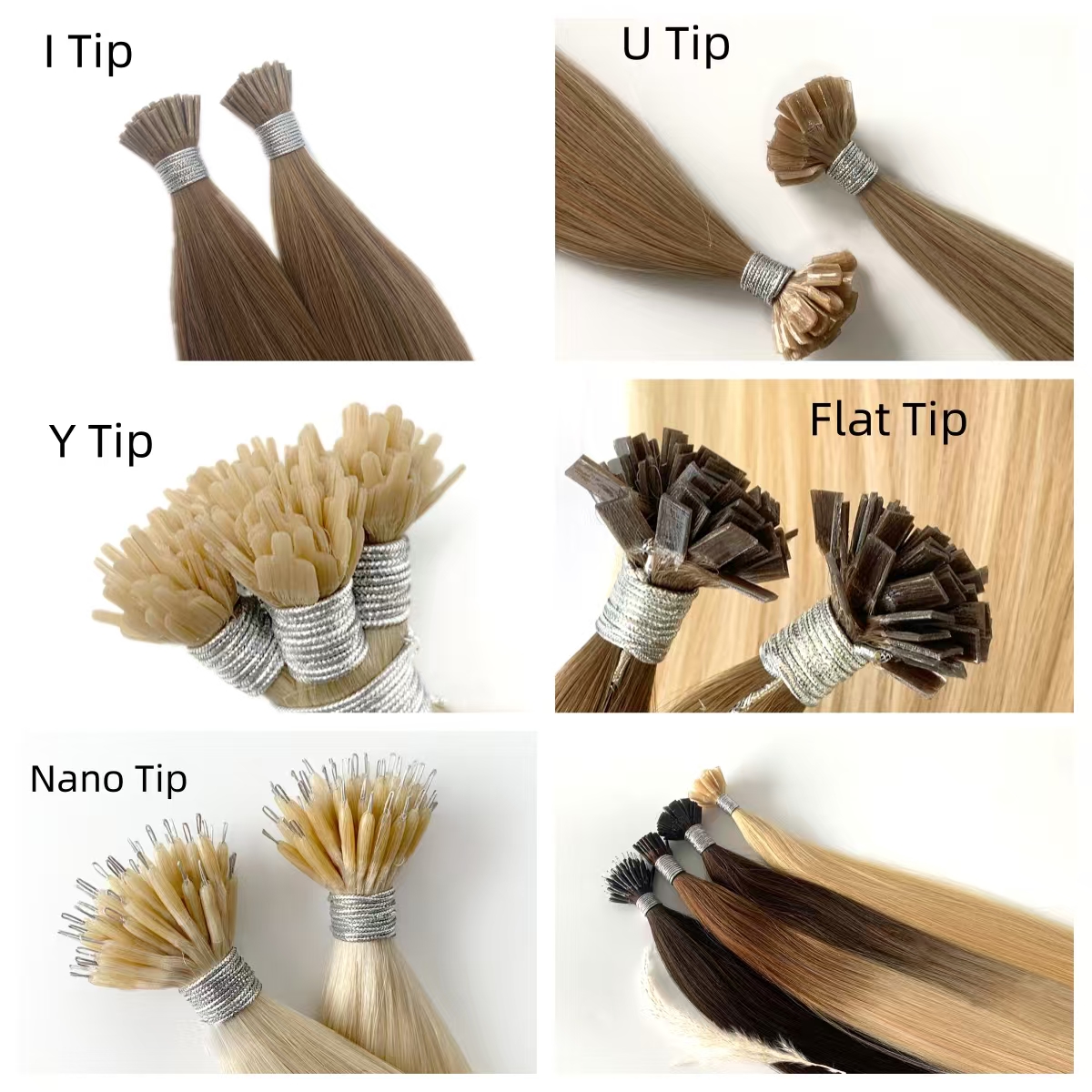
I‑tip uses micro‑beads instead of keratin heat fusion. No heat is needed for installation. K‑tip relies on melted keratin bonds. K‑tips usually lay flatter; I‑tips require bead adjustment every 6‑8 weeks. Both can be reused if made from Remy human hair.
K‑Tip vs Tape‑In Extensions
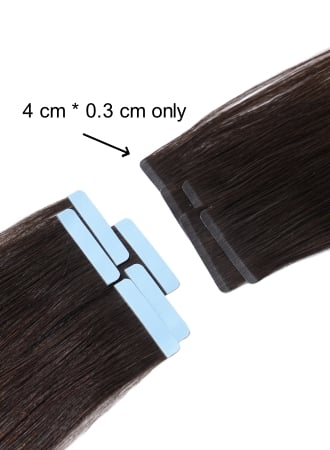
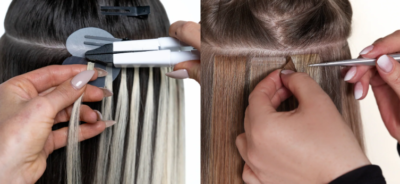
Tape‑ins use double‑sided adhesive tape and install much faster. They last around 6‑8 weeks. K‑tips take longer to fit but offer 3‑5 months wear time. Tape‑ins are gentler for fine hair; K‑tips give more styling freedom for active clients.
How long do K‑tip extensions last?
Well‑installed high‑quality Remy K‑tip extensions stay secure for 3‑5 months. After this window, natural hair growth pushes bonds away from the scalp. You need professional removal; leaving them in too long creates tangling, pulling and breakage.
Critical aftercare & maintenance tips
‑ Use sulfate‑free, extension‑friendly shampoo and conditioner
‑ Avoid heavy hair oils directly on keratin bonds
‑ Brush gently from ends upwards, use a loop‑style extension brush
‑ Do not sleep with wet hair; braid loosely before bed
‑ Swimming: rinse hair immediately after pools or salt water
‑ Visit your salon for routine checks every 6‑8 weeks
Step‑by‑step installation overview
Work with clean, fully dry hair. Take neat, small sections. Never place bonds directly against scalp skin; keep a safe gap. Melt keratin bond evenly, roll smoothly, allow full cooling before moving to next section. Avoid over‑melting which creates bulky, hard‑to‑remove lumps.
Common installation mistakes stylists should avoid
‑ Too‑large bonds on fine hair → heavy weight and breakage
‑ Bonds placed too close to the scalp → pulling and discomfort as hair grows
‑ Oversized hair sections per strand → poor hold and early slipping
‑ Over‑heating keratin bond → damage to natural hair
Safe K‑tip removal workflow
Use dedicated keratin bond remover solution. Soften each bond patiently. Roll bond to break down keratin, slide strands out gently. Never yank. Finish with gentle hair treatment for the client’s natural hair. Rushing removal creates avoidable hair loss complaints.
How to advise your clients on daily care
Brief clients clearly during hand‑off: tell them which products to avoid, how to brush, when to return for check‑ups, and strictly warn against home removal. Clear communication lowers post‑service issues.
FAQ
- Are K‑tip extensions bad for your natural hair?
K‑tips do not cause damage when fitted, maintained and removed by a qualified stylist. Damage mostly comes from bad installation, over‑wearing, or self‑removal.
- Can K‑tip extensions be reused?
Yes, if you use premium 100% Remy human‑hair K‑tips. Strands can be re‑bonded and reinstalled after safe salon removal. Low‑quality non‑remy hair cannot be reused well.
- How many strands do I need for a full head K‑tip install?
Most full‑head applications use 100‑150 strands. Fine‑hair clients may need fewer; thick‑hair clients aiming for major volume may go up to 200 strands.
- Can I swim or shower with K‑tip extensions?
Yes you can shower and swim. Rinse hair right after swimming. Avoid saturating bonds with heavy oil‑based products and always dry bonds thoroughly.
- Can I install K‑tip extensions at home?
Home installation is strongly discouraged. Heat control, sectioning and bond placement require professional training. DIY often leads to hair damage.
- What hair type works best for K‑tip extensions?
Medium‑fine to medium‑thick healthy hair gets the best results. Very fragile or heavily broken hair is not suitable.
- What’s the difference between K‑tip and fusion extensions?
They are essentially the same. Fusion is the general service name; K‑tip refers to the keratin‑bonded tip product itself.
- How long does K‑tip removal take in salon?
Removal generally takes 1‑2 hours for a full‑head set, depending on how many strands and bond condition.
- Do K‑tips hurt after installation?
Mild slight tightness for the first 2‑3 days is normal. Continuous sharp pain means improper placement and you should return to your stylist.
- Is Remy hair important for K‑tip extensions?
Very important. Remy hair keeps cuticles aligned, reduces tangling, supports re‑use and gives a natural look. Non‑remy hair tangles easily and cannot be reinstalled reliably.
Su mmarize
K‑tip keratin extensions remain a salon staple for clients wanting natural‑looking, long‑lasting length and volume. For first‑time wearers: always choose an experienced stylist and follow aftercare guidance strictly. For salon professionals: it is critical to pick genuine 100% Remy human hair extensions; look to products from Qingdao Everbeauting Hair for reliable quality. Choosing high‑quality 100% Remy human hair K‑tip extensions reduces service complaints and improves client loyalty. No extension method fits everyone — proper consultation is always the first step toward great results.