


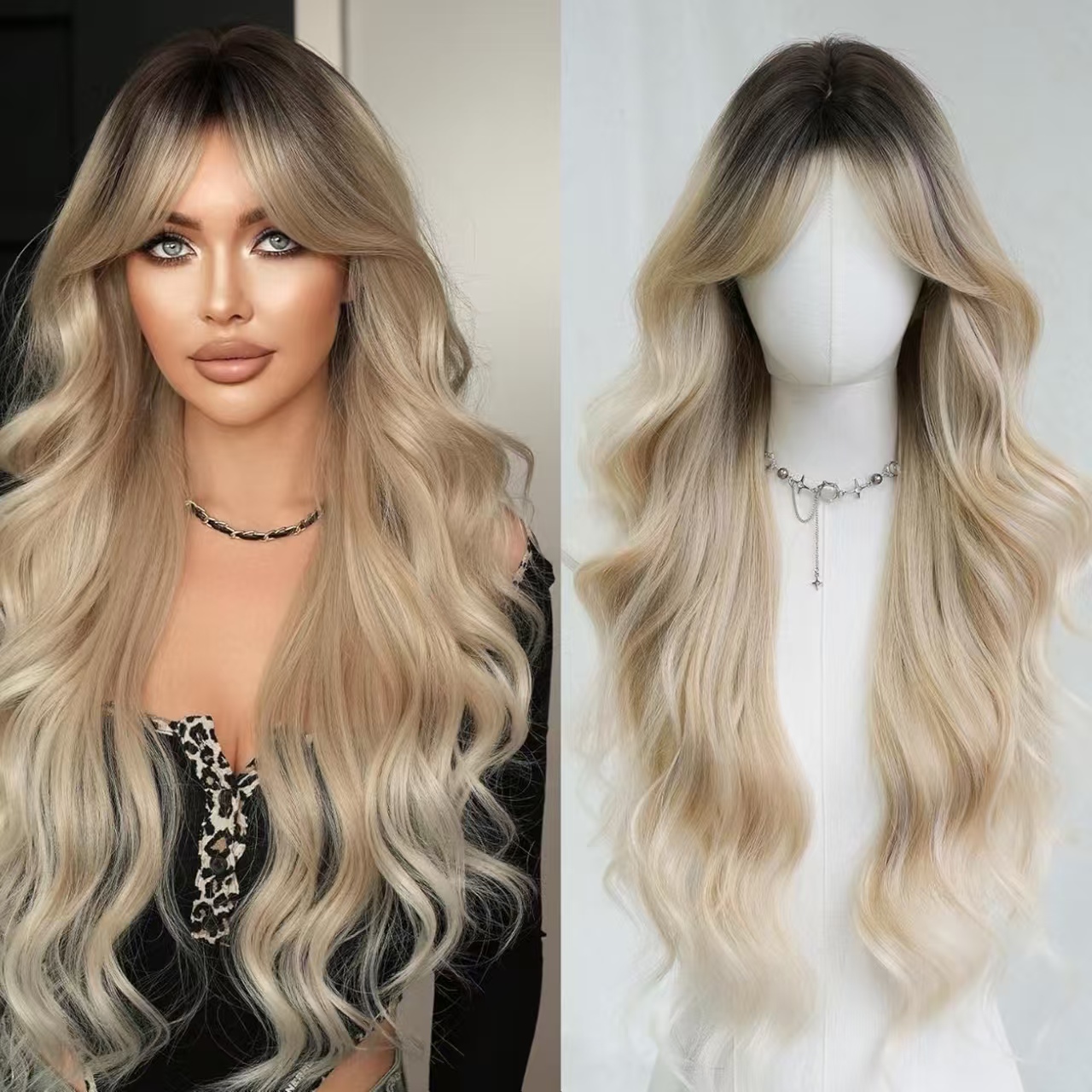
Nowadays, many people wear hair toppers to conceal issues such as thinning hair, alopecia, or a receding hairline. A high-quality hair topper can effortlessly create a full, natural-looking hairstyle, helping you regain your confidence. However, with products on the market varying widely in size, material, base construction, and hair quality, making a choice can be challenging. This buying guide is designed to help you select the perfect hair topper for your needs.
I.Material Selection: Human Hair vs. Synthetic Hair
Human hair toppers are the premium choice; their texture and luster closely match natural hair, resulting in a highly realistic look. They can be permed, dyed, straightened, and curled—allowing for versatile styling—and with proper care, they offer long-lasting durability and blend seamlessly with your own hair. We recommend this option for those who wear toppers frequently or prioritize a highly realistic appearance, with Remy hair being the top recommendation.
Synthetic hair toppers offer excellent value for money; they are easy to maintain, hold their style well, and require no extra styling for daily wear. They are ideal for beginners or for occasional use in specific settings, such as photoshoots or social gatherings. Their main drawbacks are a lack of heat resistance and a shorter lifespan compared to human hair.
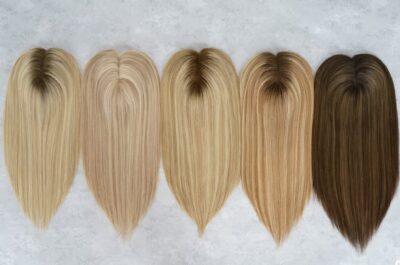
II.Color, Length, and Density: Key Factors for Realism
Color: Always match the shade under natural lighting to ensure the closest possible match to your own hair color. If you have dyed hair, consult a color chart or contact customer service to avoid any noticeable color discrepancies.
Length: We recommend choosing a topper that is 5–10 cm longer than your natural hair. Excessively long toppers can pull on the hair roots and create an unnatural, disproportionate look.
Density: If you have thinning hair, opt for medium-to-high density to add volume. If you have a normal amount of natural hair, choose low-to-medium density to prevent your existing hair from being weighed down and flattened. For those with fine or delicate hair, prioritize lightweight models to minimize pressure and discomfort on the scalp.
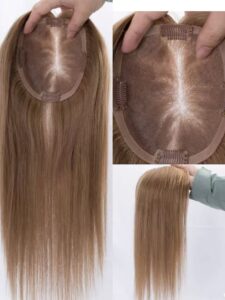
III. Attachment Methods and Base Styles
Clip-in Style: The most popular option, offering easy attachment and removal as well as excellent discretion. It is beginner-friendly; however, when selecting one, pay attention to the number and placement of the clips to avoid pulling on the scalp.
Tape/Micro-Ring Style: Offers a secure and invisible hold, making it suitable for semi-permanent wear. Professional installation and removal are recommended for these methods.
Base Construction: Lace and single-layer mesh bases offer exceptional breathability, making them ideal for prolonged wear. PU bases (simulated scalp) provide a highly realistic appearance but offer relatively lower breathability.
IV.Buying Guide: Pitfalls to Avoid & Safety Tips
- Check Product Labeling:
Prioritize products that clearly state “100% Human Hair” or specify the exact proportion of synthetic fibers. Be wary of vague labels such as “memory hair.”
- Check for Odors:
Bring the product close to your nose to smell it; products emitting a strong, pungent chemical odor are not recommended for direct contact with the scalp.
- Simple Quality Test:
Take a small strand of hair and burn it. Real human hair will emit the scent of burning feathers, and the resulting ash will crumble easily when pinched. Synthetic hair will emit a plastic-like odor and melt into a hard lump after burning.
- Try-On Inspection:
Ensure that the clips do not pinch your scalp, that the edges blend invisibly, and that the hairpiece remains securely in place—without shifting—even during vigorous movements.
- Conclusion
A high-quality hairpiece combines natural appearance, comfort, breathability, and ease of wear; it serves to both enhance your hairstyle and elevate your personal aura. By mastering the purchasing tips outlined above, you can effortlessly select the perfect hairpiece to suit your desires.