


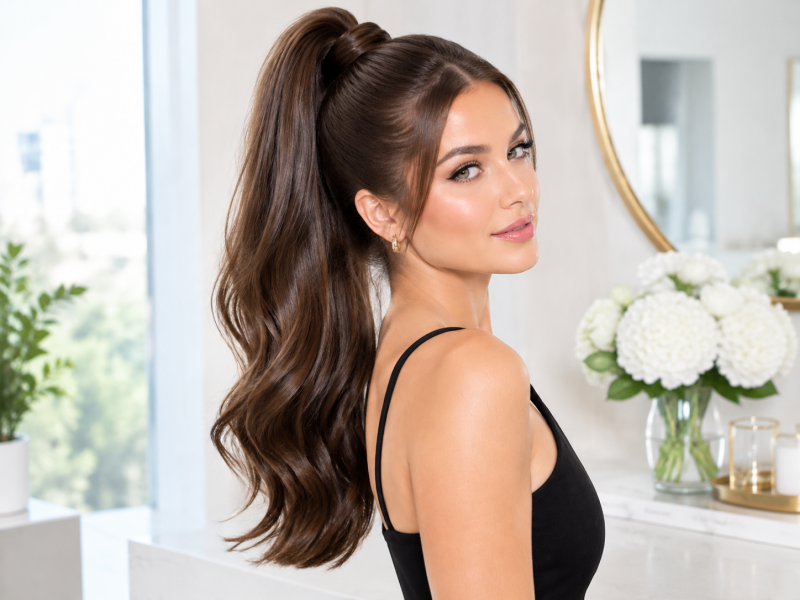
Can You Wear High Ponytails With Genius Weft Hair Extensions?
Introduction
Can you wear high ponytails with Genius Weft hair extensions? Yes, you can—but the final result depends heavily on your , natural hair density, row coverage, and styling technique.
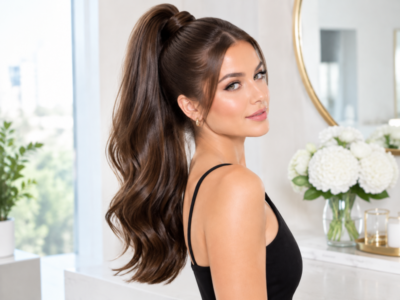
High ponytails are one of the most popular and timeless hairstyles because they create an instant lifted, polished look while keeping hair away from the face. However, wearing extensions in a high ponytail can be challenging. If the weft rows are positioned incorrectly or your natural hair does not provide enough coverage, the attachment area may become visible when you pull your hair upward.
Genius Weft hair extensions are designed with a thin, flexible weft construction that creates a relatively flat, natural-looking result when professionally installed. With the right placement and styling approach, many wearers can successfully enjoy high ponytails, half-up hairstyles, and other versatile looks.
In this comprehensive guide, we explain how to wear a high ponytail with Genius Weft extensions, how to minimize visible weft rows, and what salon owners and hair extension buyers should look for when sourcing quality products.
- Why Are Genius Weft Hair Extensions Suitable for Ponytails?
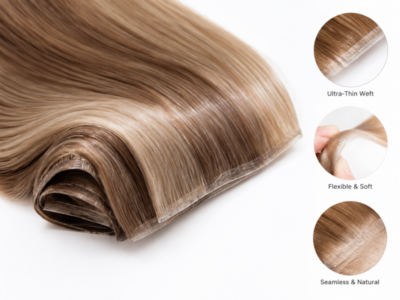
Genius Weft hair extensions have become a top option for salons and professional extension users who want to add maximum length and volume without a bulky-looking attachment line.
Several key factors determine whether Genius Weft extensions will work well for high ponytails:
- Thin and Flexible Weft Construction:A ultra-thin weft reduces unnecessary bulk along the installation row. When hair is gathered into a ponytail, a low-profile attachment is much easier to conceal beneath natural hair.
- Natural-Looking Volume and Blending:Genius Weft extensions add fullness and length while seamlessly mimicking natural hair movement. A precise color match and proper hair density ensure a cohesive finish.
- Professional Installation Options:A qualified stylist can strategically plan row placement around the client’s preferred hairstyles. If high ponytails are a daily routine, this preference must be discussed before installation.
- Versatile Styling Potential:Depending on the technique and natural hair characteristics, Genius Weft extensions support low ponytails, mid-height ponytails, loose buns, braids, and select high ponytail styles.
Expert Tip: The secret to a flawless updo lies in a customized installation plan rather than assuming every weft placement supports every hairstyle.
- Can You Wear a Sleek High Ponytail With Genius Weft Extensions?
Yes, but a sleek, tight high ponytail is significantly more demanding than a loose or low ponytail.
Sleek styles pull the hair tightly away from the face, exposing more of the scalp and perimeter. This can easily reveal an incorrectly positioned weft row. Before choosing a sleek high ponytail, evaluate these crucial factors:
- Natural Hair Density:You must have sufficient natural hair density to fully cover the weft rows and attachment points.
- Row Placement:The installation must account for the upward shift and tension of the hair.
- Hair Length and Cut:Short layers, blunt ends, or severe length differences can make blending difficult.
- Scalp and Hairline Coverage:Thinning areas near the temples, crown, and nape may limit ponytail height.
- Comfort & Tension:The style should never cause excessive pulling or uncomfortable tension on the roots.
If your weft rows become visible when lifting your hair, do not pull the ponytail tighter. Instead, opt for a slightly lower position or a softer, textured styling approach.
- Step-by-Step Guide: How to Wear a High Ponytail With Genius Weft Hair Extensions
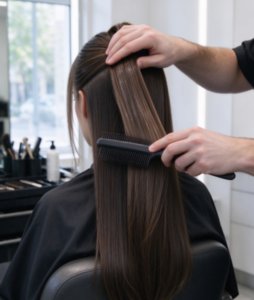
Follow these practical styling steps to achieve a smoother, completely natural-looking updo:
- Brush and Detangle Gently:Gently detangle both your natural hair and extensions starting from the ends and working upward. Use an extension-friendly brush while supporting the roots to avoid pulling on the wefts.
- Choose the Right Ponytail Position:Decide on the height beforehand. If it is your first time wearing a ponytail with your new extensions, start with a mid-height position to test coverage.
- Gather Hair Gradually:Use your fingers or a soft bristle brush to guide hair upward in sections. Pay close attention to the sides, crown, and nape areas.
- Secure Without Excessive Tension:Use a comfortable hair tie that holds securely without placing heavy pressure on the roots. If you feel soreness or heavy pulling, loosen the style immediately.
- Check Weft Coverage:Use a handheld mirror or dual mirrors to inspect the back and sides. Look for exposed weft rows, short falling layers, or uneven sections.
- Where Should Genius Weft Rows Be Placed for High Ponytails?
- There is no universal row-placement pattern. Professional stylists must customize the placement based on head shape, hair density, and styling habits.
| Area to Assess | Why It Matters for High Ponytails |
| Crown | Maintains critical coverage when hair is pulled upward
|
| Sides and Temples | Thin coverage here can expose attachment areas in sleek styles
|
| Back of the Head | Determines how naturally and smoothly the hair gathers
|
| Nape | Short or sparse hair can make lower attachments visible
|
| Natural Parting | Ensures parting lines never reveal underlying weft rows
|
| Overall Density | Dictates the appropriate extension weight and row count
|
- High Ponytail vs. Low Ponytail With Genius Weft Extensions

Which ponytail style is best for Genius Weft hair extensions? The answer depends on your natural hair and installation.
| Hairstyle | Concealment difficulty | Best styling approach |
| Low ponytail | Usually easier | Keep the style soft and comfortable |
| Mid-height ponytail | Moderate | Check side and back coverage |
| High ponytail | More demanding | Requires suitable placement and sufficient coverage |
| Sleek high ponytail | Often the most demanding | Avoid excessive tension and inspect all attachment areas |
| Half-up hairstyle | Varies | Ensure the upper section covers the rows |
| Loose bun | Varies | Avoid pulling directly against the weft rows |
For everyday wear, low and mid-height ponytails are often practical starting points. A high ponytail may also be possible when the installation and natural hair coverage support it.
- Pro Tips: How to Make Genius Weft Extensions Look Invisible in a Ponytail
- Match Hair Color Accurately:A seamless color and tone blend prevents obvious demarcation lines.
- Professional Layering:A custom haircut helps connect shorter natural layers with extension lengths.
- Avoid Over-tension:Tight pulling exposes rows and damages natural hair follicles.
- Use Lightweight Products:Apply styling serums or sprays primarily to mid-lengths and ends, avoiding heavy buildup near the root attachment.
- Regular Maintenance:As natural hair grows, rows move away from the scalp and become harder to conceal. Follow standard 6-8 week move-up schedules.
- Are Genius Weft Hair Extensions Suitable for Fine Hair?
Genius Weft extensions may be suitable for some people with fine hair, but the decision should be based on the strength and density of the natural hair, not simply the product name.
Fine hair may provide less coverage over the weft rows, particularly when styled into a tight high ponytail.
A professional stylist should evaluate:
- The density and condition of the natural hair.
- Whether the scalp or attachment areas may become visible.
- The appropriate extension weight and number of rows.
- The desired length and amount of added volume.
- Whether frequent high ponytails are compatible with the installation.
For clients with fragile or thinning hair, a lighter installation may be more appropriate. Avoid adding excessive extension weight or choosing a style that causes persistent pulling.
If your scalp feels sore or your natural hair appears to be breaking, stop wearing tight ponytails and seek professional advice.
- How to Maintain Genius Weft Extensions When Wearing Ponytails Frequently
Good maintenance helps preserve the appearance of the extensions and reduces unnecessary stress on the attachment areas.
Brush Gently Every Day
Detangle the lengths carefully, working from the ends upward. Support the hair near the installed rows and avoid pulling on the weft.
Wash Without Aggressive Scrubbing
Use a gentle shampoo suitable for human hair extensions. Clean the scalp carefully and avoid vigorous rubbing around the attachment areas.
Dry the Roots and Weft Area Thoroughly
Do not leave the weft rows damp for extended periods. Follow your stylist’s drying instructions and ensure the root and attachment areas are completely dry.
Protect the Hair During Heat Styling
Apply a suitable heat protectant to the hair lengths and use a moderate temperature appropriate for the hair’s condition. Keep hot tools away from the weft base and attachment points.
Avoid Tight Ponytails Every Day
Rotate between wearing your hair down, loose braids, low ponytails, and other comfortable styles. Frequent high-tension styling can place unnecessary stress on the natural hair.
Schedule Professional Maintenance
Follow the move-up schedule recommended by your stylist. The correct interval depends on hair growth, installation technique, and the condition of the natural hair.
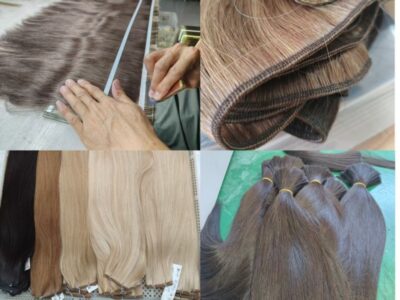
For salon owners, distributors, and hair extension brands, product selection matters just as much as installation technique.
When sourcing Genius Weft hair extensions, consider these factors:
Weft construction: Ask about thickness, flexibility, edge consistency, and whether the weft is suitable for your intended installation method.
Human hair quality: Evaluate softness, cuticle alignment where applicable, processing, tangling, and shedding through samples and wear testing.
Color selection: A broad shade range can help salons serve clients with different natural hair colors and blended color preferences.
Length and weight options: Confirm available lengths, total product weight, and customization options to suit different salon services.
Consistency between batches: Reliable color, texture, length, and construction help businesses maintain repeat-order quality.
Packaging and private labeling: If you operate your own brand, ask about customized packaging, labeling, sample orders, and bulk-order requirements.
Technical support: Clear product specifications and care guidance can help stylists and distributors communicate more effectively with customers.
For buyers targeting clients who want invisible weft extensions and versatile updos, it is important to evaluate the complete product and installation system rather than relying on a single marketing claim.
Conclusion
Can you wear high ponytails with Genius Weft hair extensions? Yes, provided that the installation, natural hair coverage, and styling technique support the look.
Genius Weft extensions can provide natural-looking length and volume, but no single weft construction guarantees a completely invisible high ponytail for every wearer. Proper placement, suitable extension weight, careful styling, and regular maintenance all contribute to a better result.
For consumers, the best approach is to discuss your preferred hairstyles with a qualified stylist before installation. For salon owners and wholesale buyers, selecting consistent, well-constructed human hair extensions and providing clear aftercare guidance can help meet customers’ expectations for comfortable, versatile styling.
If you are sourcing Genius Weft hair extensions for your salon, distribution business, or private-label brand, evaluate samples and confirm the specifications that best fit your target market before placing a bulk order.
About the Author
Celine | Everbeauting Hair
Celine works with Everbeauting Hair, a human hair products manufacturer based in Qingdao, Shandong, China. With export business experience dating back to 2012, the company focuses on human hair products for international markets. Celine shares educational content about hair extension methods, product selection, maintenance, and sourcing to help salons, distributors, and hair extension brands better understand professional human hair products.
- Frequently Asked Questions (FAQ)
Q1. Can you wear a high ponytail with Genius Weft hair extensions?
Yes. A high ponytail may be possible if the weft rows are positioned appropriately and enough natural hair covers the attachment areas. The result varies with natural hair density, haircut, and installation technique.
Q2. Will Genius Weft extensions show in a high ponytail?
They can. Even a thin weft may become visible if it is placed too high, too close to an exposed area, or beneath hair that does not provide sufficient coverage.
Q3. Are Genius Weft extensions good for sleek ponytails?
They can work for some sleek ponytails, but these styles require careful placement because the hair is pulled tightly away from the scalp. A looser or lower ponytail may be easier to conceal.
Q4. Can I wear Genius Weft extensions in a bun?
Yes, many installations can support loose buns and other updos. Very tight buns or top knots may expose the rows or create unnecessary tension.
Q5. Are Genius Weft extensions suitable for thin hair?
They may be suitable for selected clients with fine hair, but a stylist should assess natural hair strength, density, and coverage before choosing the extension weight and installation plan.
Q6. How do I hide Genius Weft rows when tying my hair up?
Start with a comfortable ponytail height, gather the hair gently, and check the crown, sides, back, and nape. If the rows remain visible, ask your stylist to assess the installation instead of pulling the hair tighter.
Q7. Can I wear a high ponytail immediately after installation?
Follow your stylist’s specific aftercare instructions. Avoid tight, high-tension hairstyles immediately after installation if your stylist recommends allowing the hair and attachment system time to settle.
Q8. Do Genius Weft extensions damage natural hair?
The outcome depends on factors such as installation quality, extension weight, maintenance, and styling tension. Excessive pulling or an unsuitable installation can contribute to breakage or traction-related hair loss.
Q9. How often should Genius Weft extensions be maintained?
Your stylist should set a maintenance schedule based on your hair growth and installation method. Many row-based installations are reviewed or moved up at intervals of approximately 6–8 weeks, but individual requirements vary.
Q10. What should salons look for when buying wholesale Genius Weft extensions?
Salons should assess hair quality, weft construction, available lengths and colors, shedding and tangling performance, batch consistency, packaging options, and supplier communication. Testing samples before placing a bulk order is a practical way to evaluate suitability.